imbus is getting even greener
Due to us being a consulting company, our ecological footprint has always been relatively small. Nevertheless, we have made it our aim to get even more environmentally sound and sustainable. The specific decision for it was made during an imbus employee workshop in autumn 2013.
That is why we started the initiative “green imbus”. Our goal: the power demand, CO2 emissions and resource consumption of the whole company are to be further significantly reduced. In keeping with the motto “think global, act local” we want to accomplish this by carrying out many minor measures and a few major ones within three action fields.
Accompany us on the path to green imbus!
Click on the single action fields to see which specific measures we have already realised and what is yet to come.
Silver Sustainability Rating
imbus has received a “Silver Sustainability Rating” from the rating agency EcoVadis and ranks among the top 25% of the companies assessed.
Corporate Forest in Nicaragua
imbus is bringing the imbus Corporate Forest to life. By planting 5,000 trees across three hectares in northern Nicaragua, we are actively contributing to climate protection.
Tramling
imbus has joined the “Tramling – Together to the Goal” initiative. Tramling's app offers users the opportunity to offset the CO2 emissions generated by car use.
Heat pump
A newly installed heat pump will now provide thermal energy to heat the main building at the Möhrendorf.
LED retrofit in a historic half-timbered house
The 350-year-old, historically protected half-timbered house in Möhrendorf is being converted to energy-efficient LED lighting.
The first hybrid car in the fleet
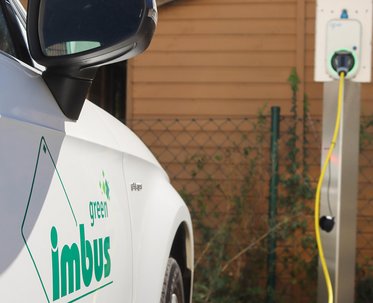
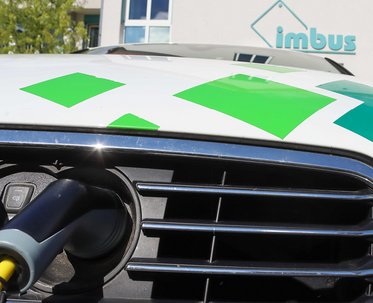
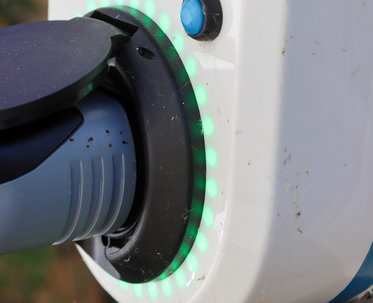
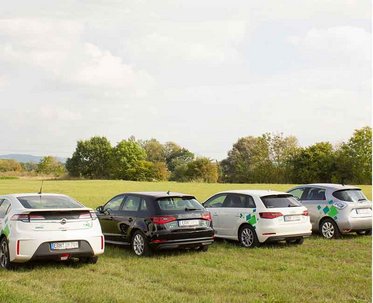
Effective immediately, employees at the Möhrendorf site can make emission-free trips within the greater area. The first hybrid vehicle in a planned future fleet is now available for this purpose. When fully charged, the 150-horsepower car can travel 60–80 kilometers in all-electric mode. It is recharged using electricity generated by the company’s own photovoltaic system.
LED Lamps
Halogen desk lamps are gradually being replaced by LED lamps. Each LED consumes about 60 kWh less per year than the previous light sources.
Ultra-compact desktop PCs
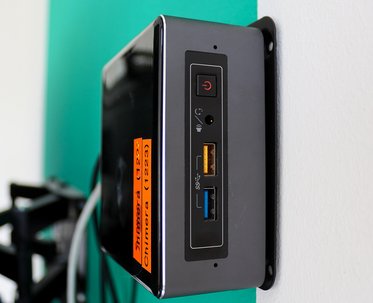
We are gradually replacing desktop and tower PCs at workstations with highly integrated mini-computers. These small boxes, measuring 15 centimeters on each side, consume only one-fifth of the energy used by desktop PCs while delivering comparable computing power. This allows us to save approximately 80 kWh per computer per year.
Consolidation of the server infrastructure
In the future, energy-efficient “green IT” components based on 19-inch technology will be used for server IT. Thanks to virtualization, the rack-based hosts are capable of performing the functions of several of the stand-alone computers previously used, thereby significantly reducing IT energy consumption.
Solar power system
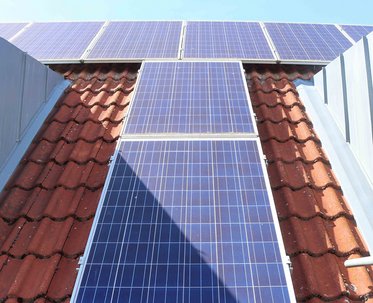
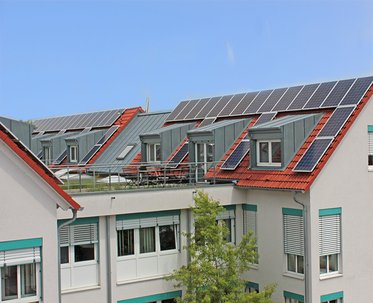
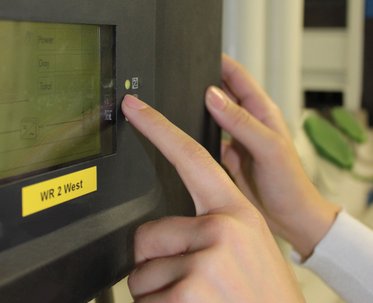
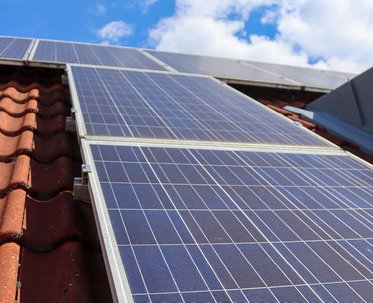
160 solar panels on the roof of the main building at the Möhrendorf site now cover a large part of the building's electricity needs. With a total capacity of approximately 40 kWp, the system is expected to generate over 30,000 kWh of electricity per year.
Shopping list for sustainably produced goods
The list includes common consumables used in imbus’s infrastructure, such as food and drinks. All items listed are sourced from sustainable and—where possible—regional producers and are given priority over other products during procurement.
Increased use of digital media
To reduce paper consumption, tablets and digital notepads are increasingly being provided to employees.
Company Bicycles and E-Bikes
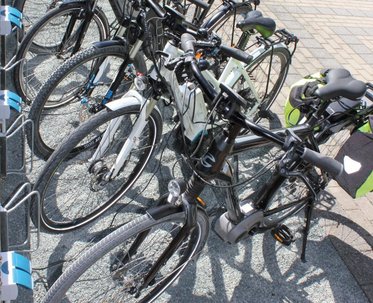
Bicycles and e-bikes are available to employees upon request for use during the workday and for commuting to and from work.
Increased use of video and web conferencing
The expansion and increased use of IT infrastructure for video conferencing, web meetings, and virtual teams helps the approximately 230 employees minimize travel between the company’s five locations to what is necessary.
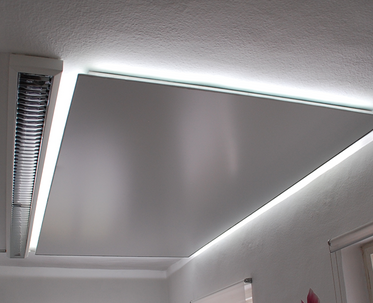
Pilot Project: Infrared Panel Heating
Two rooms in the more than 300-year-old half-timbered house at the Möhrendorf headquarters have been equipped with electric infrared panel heaters so that, in the future, heating needs can be met primarily with green electricity or self-generated solar power rather than fossil fuels.